Claims advocacy insurance WA: Advocating For Your Claims With Confidence
Insurance companies deny or underpay claims far more often than most Washington residents realize. When that happens, you need someone in your corner who understands the system and knows how to fight back.
Claims advocacy insurance in WA exists for exactly this reason. We at Secord Agency – A Trucordia Business help people like you navigate the claims process and get the settlements you actually deserve.
Why Claims Advocacy Matters in Washington
Insurance claims in Washington rarely follow a straightforward path. The average claim involves multiple parties, technical policy language, and strict deadlines that catch people off guard. A homeowner filing a water damage claim must understand deductibles, coverage limits, and exclusions. An auto accident victim must navigate medical billing, property damage valuations, and insurer communication timelines. A business owner facing liability claims confronts even greater complexity, with coverage questions that can mean the difference between financial stability and serious loss. Most people handle these situations alone, which is exactly when mistakes happen and money gets left on the table.
What Makes Claims Go Wrong
Denials and underpayments occur far more often than most Washington residents expect. Insurers deny claims for coverage gaps, documentation issues, or disputes over claim value. Some denials stick even though the policyholder had valid coverage. Other underpayments result from low valuations that fail to reflect actual losses. The Washington Insurance Fair Conduct Act protects policyholders from unfair practices, but knowing your rights and enforcing them requires knowledge most people lack. When you file a claim alone, you negotiate against a company with dedicated claims adjusters, legal teams, and financial incentives to minimize payouts. The imbalance is real and costly.
How Advocates Shift the Balance
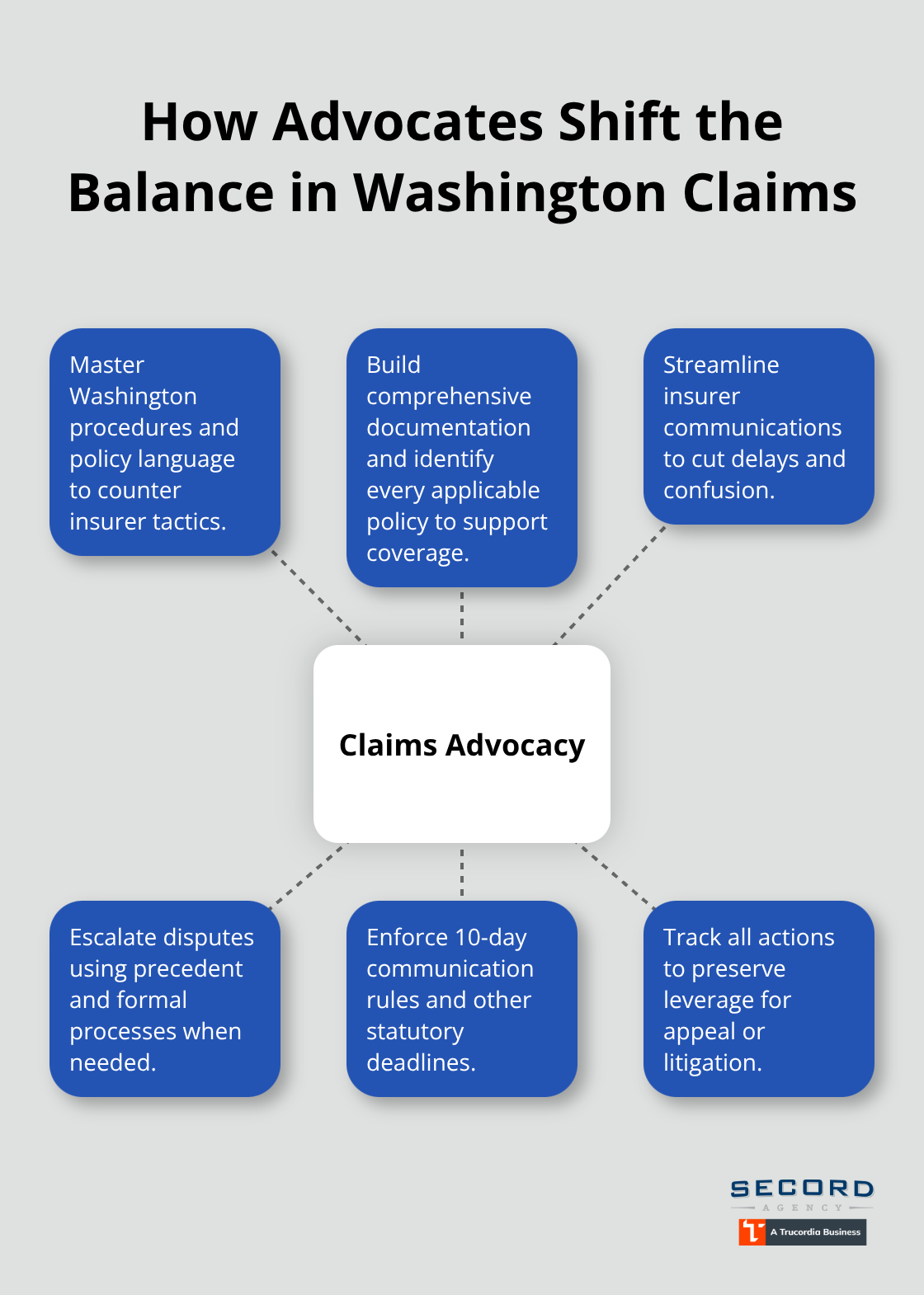
An advocate on your side transforms the dynamic completely. Professional advocates know Washington’s insurance procedures, policy language, and insurer negotiation tactics. They gather comprehensive documentation, identify all relevant policies, and prepare cases that are harder to deny. They communicate directly with insurers, reducing the back-and-forth that wastes time and creates confusion. When disputes arise, they understand when to escalate issues formally and when precedent supports your position. They also know the deadlines that matter-Washington requires insurers to acknowledge claims within 10 working days and respond to communications within the same timeframe. Missing these windows or failing to know your rights costs you money.
Why Local Knowledge Matters
Washington’s insurance landscape has specific rules and expectations that advocates must understand. The state’s Insurance Fair Conduct Act sets clear standards for how insurers must handle claims. Advocates familiar with local procedures know which documentation insurers request, how long investigations typically take, and what triggers formal escalation. They recognize when an insurer’s response falls short of legal requirements and when you have grounds to file a complaint with the Washington Office of the Insurance Commissioner. This local expertise prevents costly delays and ensures your claim moves forward on the fastest possible timeline.
What Happens Next
Understanding why claims advocacy matters is the first step. The real value emerges when you see how advocates actually help you secure fair settlements-and that’s exactly what the next section covers.
How Claims Advocates Get Results for Your Claim
Policy Review: Finding Coverage You Didn’t Know You Had
An advocate starts by reviewing your policy with fresh eyes, identifying every coverage provision that might apply to your loss. This isn’t a quick skim-it’s a detailed analysis that catches exclusions, sublimits, and endorsements most people miss entirely. Washington insurers must respond to communications within 10 working days, and advocates use this timeline strategically, submitting requests for coverage determinations in writing and tracking every response. When a policy covers your claim, documentation proves it, and insurers know they’re facing someone who understands the rules. This shifts negotiations immediately.
Building Your Case With Concrete Evidence
An advocate then constructs your case methodically by collecting medical records, repair estimates, police reports, and receipts-the concrete evidence that transforms a claim from a conversation into a file an insurer cannot ignore. They organize this material in a format adjusters actually use, eliminating the friction that causes delays. A detailed claim journal documents every conversation, date, and action, creating the paper trail that protects you if disputes reach appeal or litigation. This documentation discipline matters because insurers take claims seriously when they see organized, professional presentation.
Negotiating From a Position of Strength
When negotiation begins, claims advocates communicate directly with insurers on your behalf, presenting valuations supported by independent estimates and market data rather than accepting the insurer’s first offer. Professional representation improves settlement outcomes significantly, particularly for complex or high-value claims where coverage disputes or valuation disagreements exist. Advocates also know when to escalate formally, invoking Washington’s Insurance Fair Conduct Act when insurers stall investigations beyond the 30-day investigation window or deny claims without proper written justification referencing specific policy provisions. This formal pressure works because insurers understand the cost of violations-complaints to the Washington Office of the Insurance Commissioner create regulatory scrutiny that companies want to avoid.
The Real Impact on Your Settlement
The practical effect is straightforward: your claim moves faster, gets valued fairly, and settles for what you’re actually owed rather than what the insurer initially offers. This difference compounds across different claim types, which is why understanding how advocates handle specific situations-auto claims, homeowners claims, and business liability claims-matters for your own situation.
Common Claims Issues Washington Residents Face
Auto Claims: Valuations, Medical Billing, and Uninsured Drivers
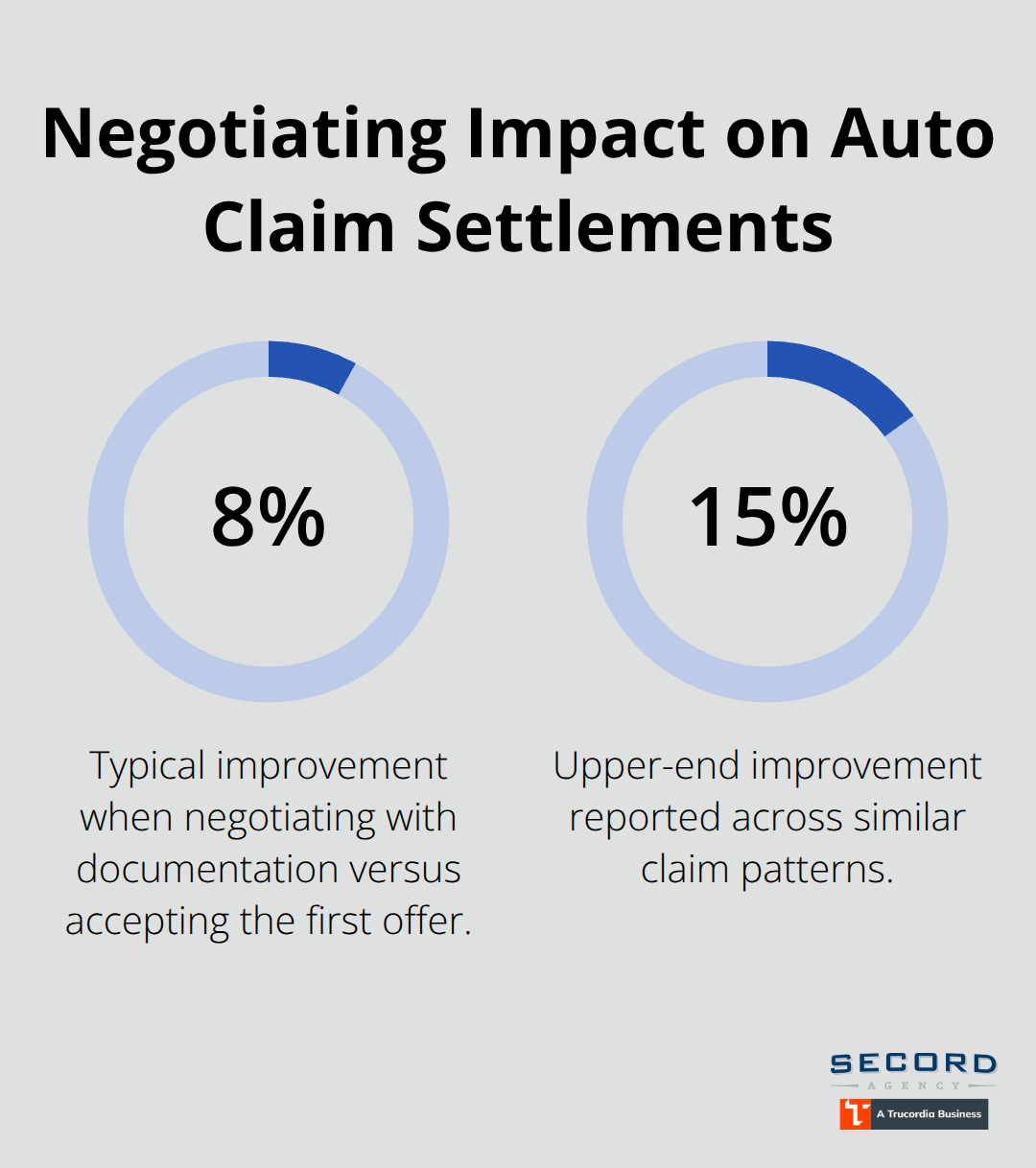
Auto accident claims in Washington expose a critical gap between what drivers think they’re covered for and what insurers actually pay. When your car is totaled, the insurer calculates settlement value by adding taxes and fees to the vehicle’s market price-but most drivers never see an itemized breakdown of how those numbers were calculated. Request that itemization in writing immediately after receiving the settlement offer. Washington requires insurers to provide detailed explanations, and advocates routinely find that initial valuations omit significant deductions or misapply depreciation formulas. The difference between accepting the first offer and negotiating with documentation typically ranges from 8 to 15 percent of the settlement value, according to public adjuster data from similar claim patterns.
Medical billing compounds the problem further. After an accident, insurers coordinate benefits across health insurance and auto liability coverage, and most drivers lack the expertise to track which insurer owes what. An advocate ensures medical providers bill the correct coverage source, preventing claim denials that result from billing to the wrong policy. For uninsured or underinsured driver scenarios, advocates identify which coverage applies-uninsured motorist protection, underinsured motorist coverage, or your own collision insurance-since most drivers misunderstand which policy triggers in these situations.
Homeowners Claims: Water Damage and Theft
Homeowners claims for water damage and theft reveal how exclusions buried in policy language cost thousands in denied coverage. Water damage from burst pipes typically qualifies for coverage, but damage from poor maintenance or gradual leaks does not-and insurers aggressively deny claims by arguing preventability. An advocate gathers repair documentation and expert opinions showing the damage was sudden and accidental, not gradual, shifting the burden of proof back to the insurer.
Theft claims require detailed inventories with photos and receipts, yet most homeowners keep incomplete records. Start a claim diary immediately after discovery-document what was stolen, when, and how entry occurred-to create the evidence trail that prevents underpayment. This documentation discipline transforms a vague loss report into a file insurers cannot easily dispute.
Business Liability and Property Damage Claims
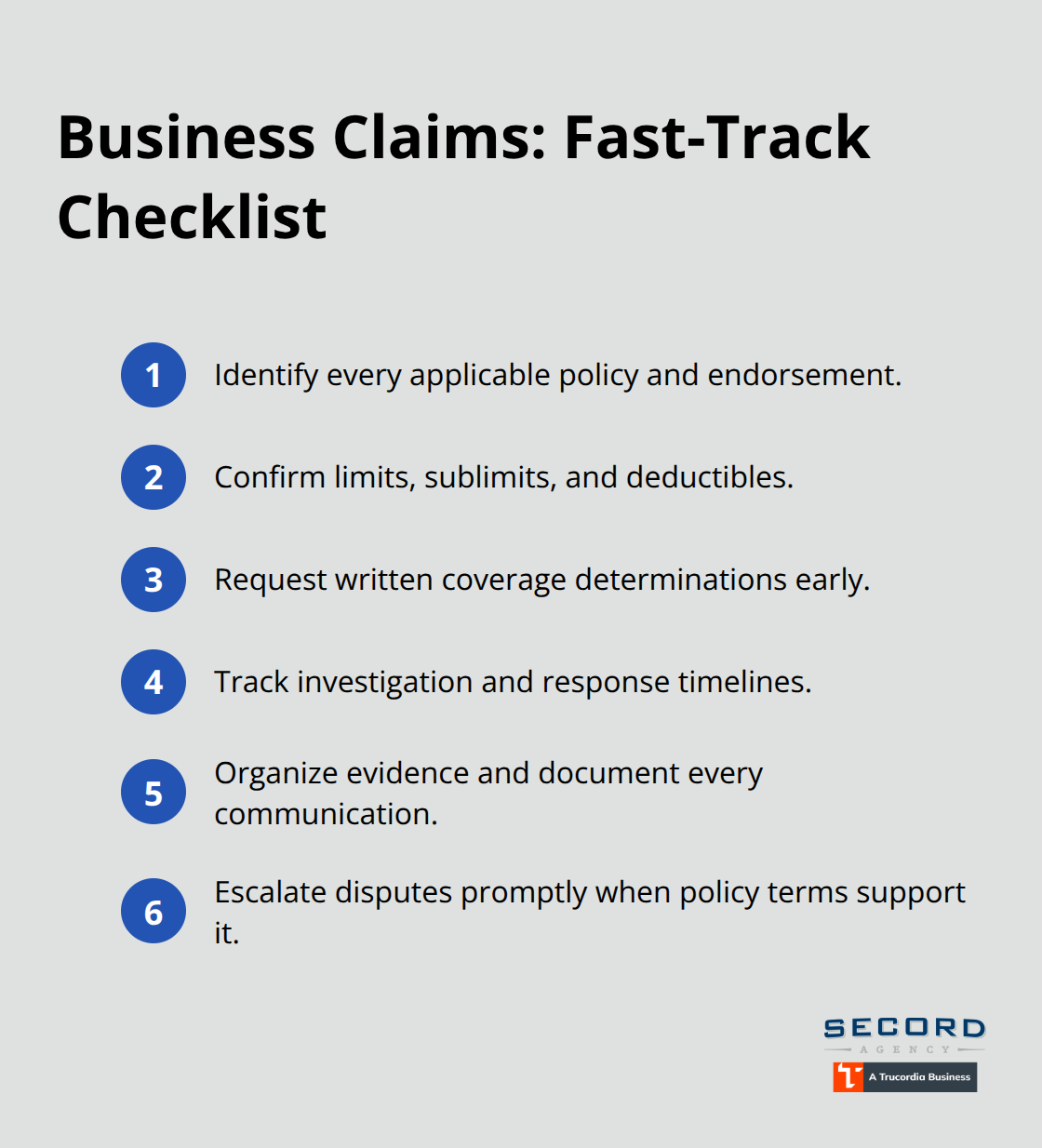
Business liability and property damage claims demand even greater precision because coverage disputes often involve multiple policies, endorsements, and questions about whether a loss qualifies as property damage versus business interruption. A business owner facing a liability claim must quickly identify all relevant policies across general liability, umbrella coverage, and any specialized endorsements, then determine coverage limits and deductibles before the insurer’s investigation window closes. These distinctions separate claims that settle fairly from those that face months of disputes over which policy applies and what amount the insurer owes.
Final Thoughts
Claims advocacy insurance in WA protects your rights and your wallet by ensuring you receive the settlements you actually deserve, not just what insurers initially offer. When policyholders navigate claims alone, they face denials, underpayments, and delays that cost thousands. When advocates step in, claims move faster, coverage gaps get identified, and valuations reflect actual losses rather than insurer minimums.
Working with local advocates means faster resolution because they understand Washington’s Office of the Insurance Commissioner requirements, the 10-day communication windows insurers must follow, and the documentation standards that prevent disputes from dragging on. They also recognize when formal escalation becomes necessary and how to invoke the Insurance Fair Conduct Act when insurers stall or deny claims without proper justification. This local expertise eliminates the back-and-forth that wastes months and creates frustration.
If you face a claim in Washington-whether auto damage, homeowners loss, or business liability-you don’t have to handle it alone. We at Secord Agency – A Trucordia Business provide advocate-led claims support paired with personalized insurance guidance to protect you across Washington. Contact Secord Agency to discuss your coverage and claims needs with advocates who understand Washington insurance inside and out.