Homeowner Risk Management Seattle: Practical Steps to Safer Homes
Seattle homeowners face unique risks-from heavy rainfall and windstorms to break-ins and fire hazards. These threats can damage your property and disrupt your family’s safety if you’re not prepared.
At Secord Agency – A Trucordia Business, we believe homeowner risk management in Seattle requires both prevention and smart insurance coverage. This guide walks you through the practical steps that actually reduce your risk and protect what matters most.
What Threatens Seattle Homes Most
Seattle’s climate and geography create specific vulnerabilities that homeowners underestimate. The National Weather Service reports that western Washington averages 152 rainy days per year, making water intrusion and foundation damage legitimate concerns for properties here. Wind events regularly exceed 40 mph during fall and winter months, with the December 2023 storm causing significant tree damage across the region. Beyond weather, Seattle’s property crime rate sits at 3,900 incidents per 100,000 residents according to recent crime statistics, and residential burglaries remain a persistent problem in neighborhoods like Ballard, Fremont, and parts of Capitol Hill. Fire risk also demands attention-the Seattle Fire Department responds to roughly 8,000 structure fires annually in Washington State, with many preventable through basic maintenance.
Water damage ranks as your biggest financial threat
Roof leaks, gutter failures, and foundation cracks cost Seattle homeowners thousands in repairs annually. Water damage claims represent the second-largest category of homeowner insurance claims nationwide, and our Pacific Northwest climate accelerates this problem significantly. You should inspect your roof every spring and fall, checking for missing shingles, deteriorated flashing, and debris accumulation. You need to clean gutters at least twice yearly-clogged gutters force water against fascia boards and foundation walls, creating damage that spreads quickly. If your home was built before 1990, hire a professional to inspect the foundation for cracks; older homes in Seattle frequently settle unevenly, creating water pathways into basements. A sump pump in the lowest level of your home costs $1,500 to $3,000 but prevents tens of thousands in potential water damage.
Wildfire smoke and fire safety demand year-round attention
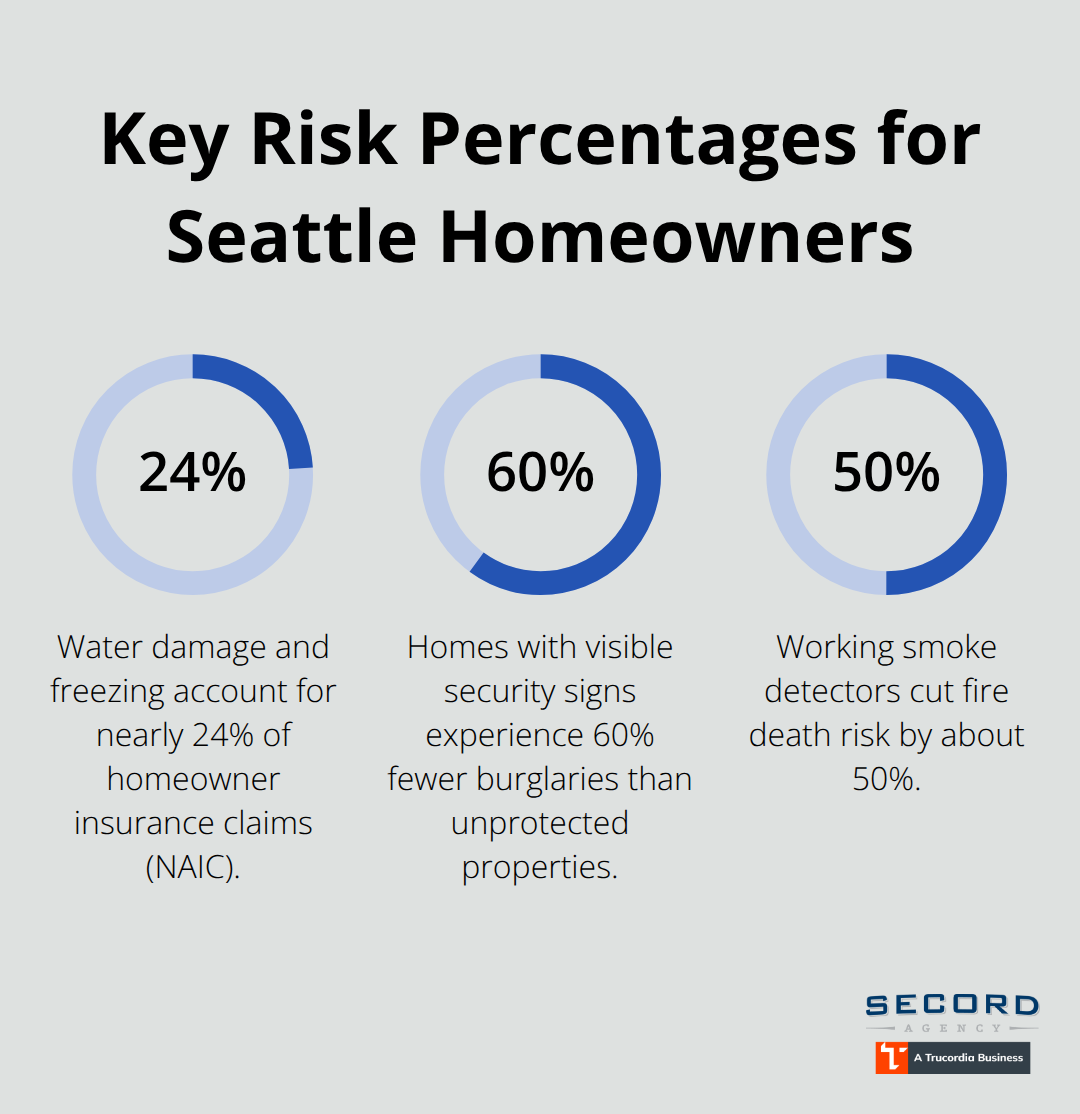
While major wildfires typically occur east of the Cascades, Seattle experiences significant smoke infiltration during summer months, affecting air quality and creating respiratory hazards. More immediately, residential fires start from preventable causes like unattended cooking, faulty electrical wiring, and improperly maintained heating systems. You should test smoke detectors monthly and replace batteries twice yearly-the Seattle Fire Department emphasizes that working detectors cut fire death risk in half. You need to keep flammable materials at least three feet from heating sources, clean dryer vents quarterly to prevent lint buildup, and have your furnace inspected annually by a licensed technician. Space heaters should maintain a three-foot clearance from all combustibles, and you should never leave them running unattended.
Home security requires more than just locks
Burglars often target homes with poor visibility from the street, accessible second-story windows, and no visible security systems. Seattle Police recommend that you trim shrubs and trees away from windows and doors to eliminate hiding spots, install motion-activated outdoor lighting, and ensure all entry points have deadbolt locks with at least a one-inch throw. Security system monitoring costs $15 to $40 monthly but significantly deters break-ins-homes with visible security signs experience 60% fewer burglaries than unprotected properties. Smart locks and doorbell cameras provide real-time monitoring and evidence if theft occurs. Sliding glass doors remain vulnerable; you should install security bars or pins that prevent them from sliding open even if the lock is compromised.
Understanding these threats helps you prioritize which risks matter most for your specific property. The next section walks you through the practical steps that actually reduce these risks before they damage your home or threaten your family.
Practical Steps to Reduce Home Risks
Walk Through Your Property and Document What You Find
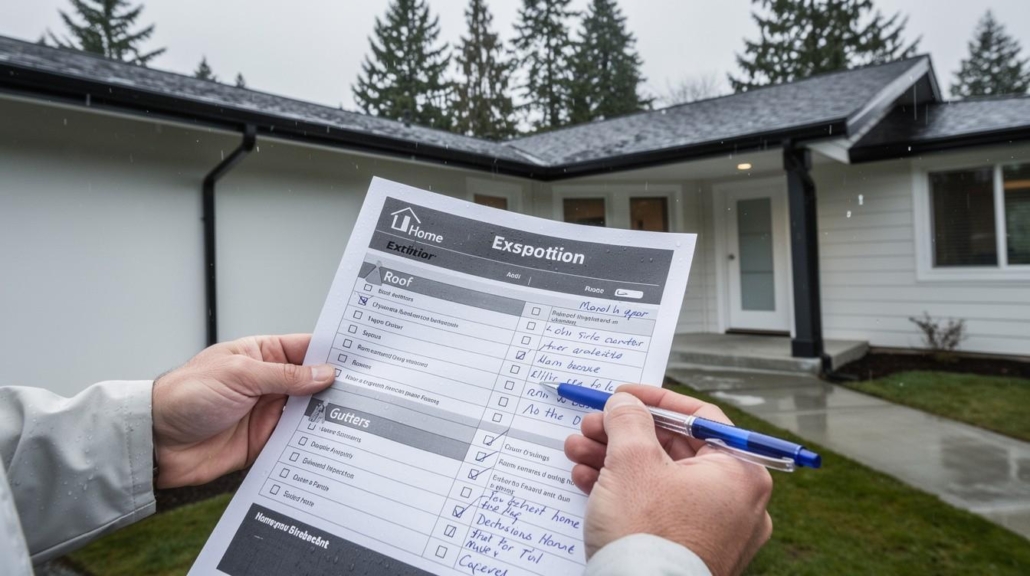
Start with a structured walk-through of your property that identifies vulnerabilities before they become expensive problems. Walk around your home’s exterior and note every potential water entry point-check where your gutters connect to downspouts, whether your grading slopes away from the foundation, and if any caulking around windows or doors has cracked or deteriorated. Inside, photograph your attic insulation condition, inspect under sinks for slow leaks, and test every outlet to confirm proper grounding. Document what you find with photos and dates; this record becomes invaluable when discussing coverage with your insurance agent and helps you prioritize repairs based on actual risk rather than guesswork.
Most Seattle homeowners skip this step entirely, then wonder why water damage claims spike after heavy rain seasons. Schedule this audit in late summer when weather permits thorough exterior inspection, giving you time to complete repairs before fall storms arrive. A professional home inspector costs $300 to $500 but catches issues you’ll miss-they have thermal imaging equipment that reveals hidden moisture and can identify electrical hazards invisible to the naked eye.
Install Systems That Prevent Damage, Not Just Detect It
Once you’ve identified your specific risks, install systems that actively prevent damage rather than just detecting it after the fact. Water detection sensors cost $20 to $50 each and alert you immediately when moisture appears near water heaters, sump pumps, or under sinks-early detection stops a small leak from becoming a $15,000 foundation repair. Upgrade your smoke and carbon monoxide detectors to interconnected models that cost $40 to $100 per unit; when one detects danger, all units alarm simultaneously, giving your family precious extra seconds to escape.
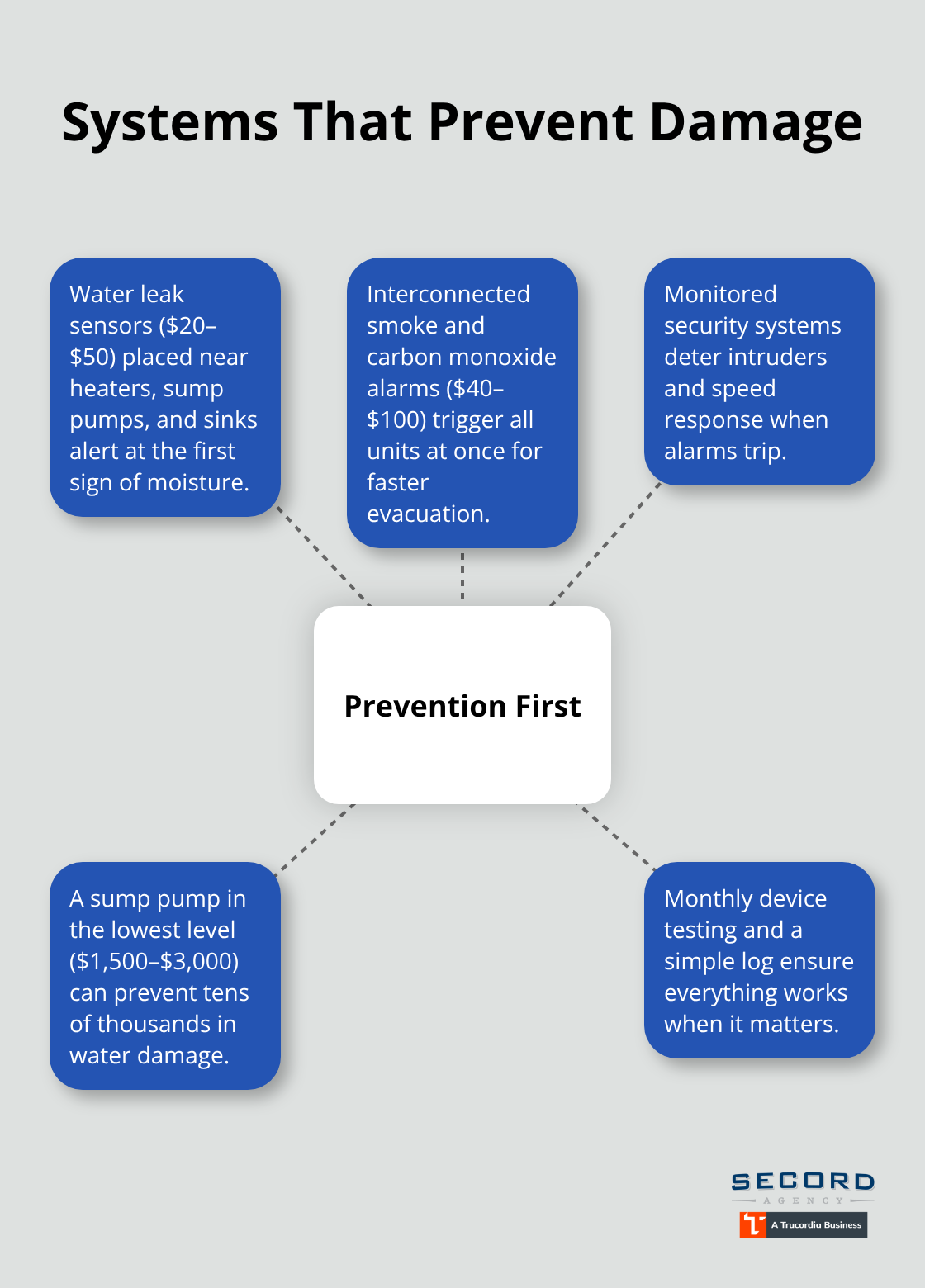
Test these monthly on the first of each month and keep a log-most fire deaths occur in homes where detectors either failed or had dead batteries. For security, install a monitored security system rather than relying on signs alone. Create a written emergency plan that specifies your family’s meeting point outside the home, identifies which neighbor has a spare key, and lists critical documents stored in a fireproof safe or safety deposit box.
Test Your Emergency Plan Twice Yearly
Test your emergency plan twice yearly by walking through evacuation procedures during different times of day-what works during daylight differs dramatically from middle-of-the-night escape routes. This practice reveals gaps in your plan that sitting at a table never will. Your family’s muscle memory from these drills could save lives when actual danger strikes.
Completed improvements often qualify you for premium discounts that offset their costs within two to three years. Your insurance agent can identify which specific upgrades your current policy rewards, turning prevention into financial savings that compound over time.
How Your Insurance Protects Your Seattle Property
Standard Coverage Leaves Critical Gaps
Standard homeowner policies protect against specific perils, but Seattle’s climate demands coverage that extends beyond the basics. Most policies cover wind, hail, theft, and fire-the events that destroy homes quickly and visibly. However, standard homeowner insurance explicitly excludes water damage from flooding, which creates a dangerous gap for Seattle residents living in areas prone to heavy rainfall or near bodies of water. According to the National Association of Insurance Commissioners, water damage and freezing account for nearly 24 percent of homeowner insurance claims, yet most Seattle homeowners assume their standard policy covers this risk.
You need separate flood insurance through the National Flood Insurance Program if your home sits in a mapped flood zone, and honestly, you should consider it even outside designated zones given our region’s increasing rainfall intensity. Earthquake coverage requires an entirely separate endorsement-Washington State experiences regular seismic activity, with the Pacific Northwest Seismic Network recording hundreds of earthquakes annually, yet fewer than 10 percent of Washington homeowners carry earthquake protection. The cost runs $150 to $300 annually for most Seattle homes but protects against losses that standard policies completely exclude.
Roof Damage and Percentage Deductibles
Roof damage from wind and hail typically falls under standard coverage, but insurers often impose a percentage deductible rather than a flat dollar amount. This means you might pay 5 to 10 percent of your roof’s replacement cost before coverage kicks in, which easily exceeds $2,000 on a $40,000 replacement job. Understanding this distinction prevents nasty surprises when storm damage strikes your home.
Policy Limits and Deductibles Determine Your Real Protection
Your policy limits and deductibles directly determine how much out-of-pocket expense you face when damage occurs, making these numbers far more important than your monthly premium. A $1,000 deductible sounds manageable until water damage requires $8,000 in basement repairs and you realize your coverage only pays $7,000 after your deductible. Dwelling coverage limits should reflect actual replacement cost, not the home’s market value-a Seattle home worth $650,000 might cost $850,000 to rebuild due to current labor and material costs, yet homeowners frequently insure for the lower figure to save premium dollars.
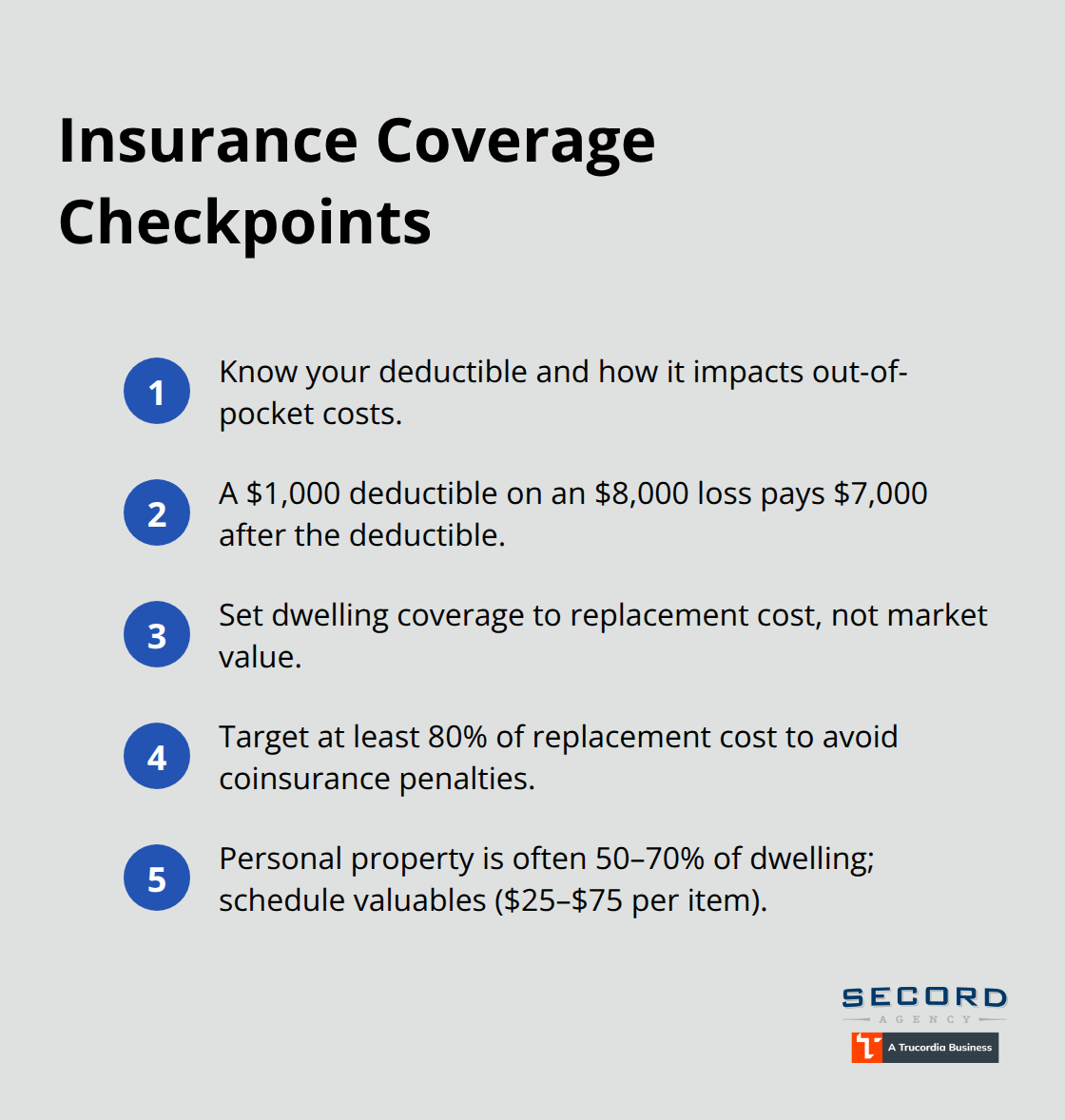
The Insurance Information Institute recommends coverage equal to at least 80 percent of replacement cost to avoid coinsurance penalties that reduce claim payments. Personal property coverage typically maxes out at 50 to 70 percent of your dwelling limit, which creates problems for homes with significant valuables. Jewelry, artwork, and collectibles often need scheduled endorsements (costing $25 to $75 annually per item) but provide actual replacement value rather than depreciated amounts.
Inventory Documentation and Annual Reviews
Create a detailed home inventory every two years, photograph valuable items, and store the documentation offsite. Proving what you owned becomes nearly impossible after a total loss without this evidence. Your home’s replacement cost increases roughly 3 to 5 percent yearly due to construction inflation, meaning coverage adequate last year may fall short today.
Life changes matter too: adding a home office, finishing a basement, or installing a pool all affect your coverage needs and potential premium adjustments. Review your policy annually, not just when renewal notices arrive (these changes could work in your favor if you’ve completed risk-reduction improvements).
Final Thoughts
Homeowner risk management in Seattle requires action on two fronts simultaneously-practical prevention and comprehensive insurance coverage work together to protect what matters most. Installing a sump pump or upgrading your security system reduces actual damage when problems occur, but your policy fills the gaps that prevention alone cannot cover. A roof inspection catches deterioration before wind damage strikes, yet your policy’s percentage deductible still determines your out-of-pocket cost when a storm hits.
Your specific Seattle location shapes which risks matter most for your property. A home near Green Lake faces different flood exposure than one on Capitol Hill, just as older Wallingford properties encounter different electrical hazards than newer construction. This is why generic risk management fails-your strategy must match your actual property and neighborhood vulnerabilities.
Contact Secord Agency to review whether your current coverage reflects your home’s true replacement cost and your family’s specific needs. We at Secord Agency-A Trucordia Business shop multiple carriers to find coverage that actually protects Seattle homeowners, pairing competitive rates with local service that understands Pacific Northwest risks. Schedule a policy review before the fall storm season arrives, and confirm your coverage limits match current construction costs.