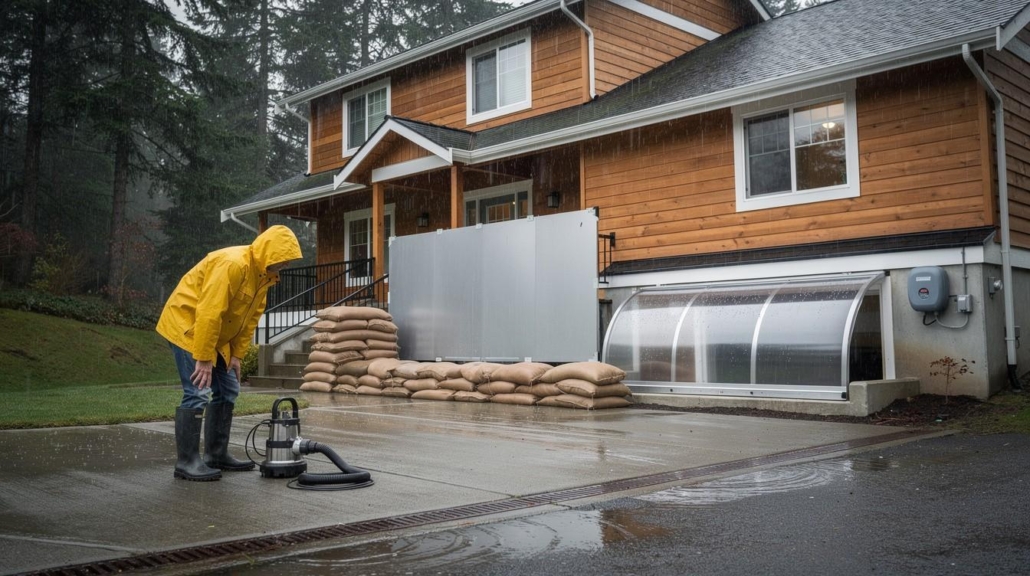
Flood Protection Homeowners WA: Safeguard Your Seattle Area Home
Flooding poses a real threat to Seattle-area homeowners, with the region experiencing increased precipitation and storm intensity over recent years. Standard homeowners insurance won’t protect your property from flood damage, leaving many families financially vulnerable.
At Secord Agency – A Trucordia Business, we help Washington homeowners understand their flood protection options and build a defense strategy that actually works. This guide covers the practical steps you need to take right now.
Understanding Flood Risk in Washington State
How Climate Change Intensifies Flooding in the Pacific Northwest
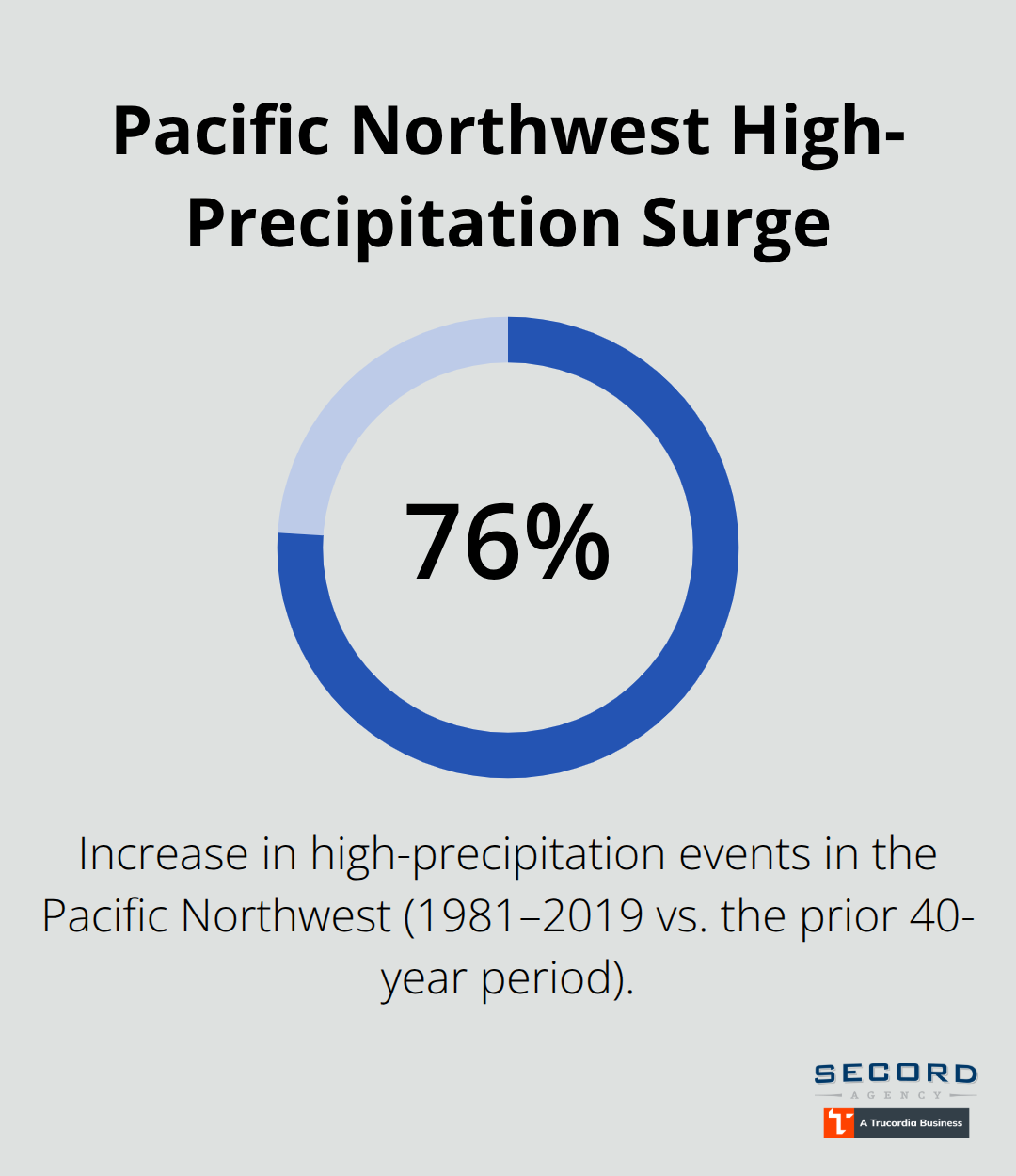
Washington State has experienced a measurable uptick in flood events over the past two decades. The National Oceanic and Atmospheric Administration reported that the Pacific Northwest saw a 76% increase in high-precipitation events between 1981 and 2019 compared to the prior 40-year period. Seattle sits in a precarious position, with the Duwamish River, Green River, and numerous tributaries creating flood corridors that threaten thousands of properties. Areas south and east of Seattle-particularly around Kent, Renton, and Auburn-face the highest risk due to their proximity to these waterways and lower elevation terrain.
The King County Flood Control District identifies specific zones where flooding occurs once every 100 years on average, but climate patterns mean these events happen more frequently than historical data suggests. Heavy autumn and winter rainfall, combined with spring snowmelt from the Cascades, creates a one-two punch that overwhelms drainage infrastructure regularly.
Why Standard Homeowners Insurance Fails You
Your standard homeowners insurance policy explicitly excludes flood damage, a fact that surprises most people until they need a claim. Insurers classify flooding as a separate peril requiring distinct coverage because the financial exposure is too large for traditional policies to absorb. If your home sits in or near a mapped flood zone, your mortgage lender may require flood insurance as a loan condition, but even then, many homeowners carry inadequate coverage limits.
The National Flood Insurance Program, administered through the federal government, offers the most accessible option for Washington residents, but its maximum building coverage sits at $250,000 and contents coverage at $100,000-amounts that fall short for most Seattle-area homes. Private flood insurers have entered the market in recent years, offering higher limits and sometimes better rates, though availability depends on your specific address and risk profile.
Finding Coverage That Matches Your Property Value
The gap between what standard policies cover and what your home actually costs creates real financial risk. You need coverage that reflects your property’s true value, not whatever seems convenient or affordable upfront. Secord Agency, based in Seattle’s Wallingford neighborhood, shops multiple carriers to help Washington homeowners identify flood protection that actually protects their investment.
Understanding your options sets the stage for the practical steps you can take to reduce flood risk at your property itself.
How to Protect Your Home from Rising Water
Why Physical Defenses Matter More Than Insurance Alone
Flood protection comes down to making your home physically resistant to water intrusion and managing moisture before it becomes catastrophic. Insurance covers the financial aftermath, but structural improvements prevent the damage from happening in the first place. Seattle-area homeowners who take action now avoid the panic and expense of emergency repairs later. The Federal Emergency Management Agency found that every dollar spent on flood mitigation saves six dollars in future disaster costs-a ratio that makes these improvements financially sensible even before considering the safety benefit.
Elevation and Flood Vents: Your First Line of Defense
Elevation remains the most effective defense if your home sits in a flood zone. Raising the lowest floor of your home above the base flood elevation removes your living spaces and critical systems from harm’s way. This approach costs between $30,000 and $100,000 depending on foundation type and local construction standards, but it dramatically reduces flood risk and often lowers flood insurance premiums.
If full elevation isn’t feasible, flood vents in foundation walls allow water to flow through rather than build up pressure that cracks concrete. Properly sized vents cost roughly $200 to $400 per opening and must meet specific square-inch requirements based on your home’s square footage.
Basement Waterproofing: Protecting Your Most Vulnerable Space
Basement waterproofing addresses the most vulnerable area in most Seattle homes. Interior or exterior sealants, drainage systems, and backwater valves create a multi-layer defense. A backwater valve, installed in your home’s main sewer line, prevents sewage and floodwater from backing up into your home during heavy storms-a critical protection that costs $500 to $1,500 installed.
Sealing foundation cracks with epoxy or polyurethane compounds costs far less upfront (typically $300 to $800), but only works if cracks are your primary water entry point rather than a symptom of broader drainage failure.
Exterior Drainage: The Often-Overlooked Essential
Drainage improvements outside your home often matter more than what you do inside. Gutters that dump water directly against your foundation create the conditions for flooding and basement moisture. A proper downspout extension that directs water at least four to six feet away from your foundation prevents saturation and foundation damage.
For homes in moderate-risk areas, a sump pump in a basement sump pit removes water that collects around the foundation before it enters living spaces. Battery-backup sump pumps cost more upfront (typically $1,500 to $3,000 installed) but operate during power outages when standard electric pumps fail-a common problem during the storms that trigger flooding.
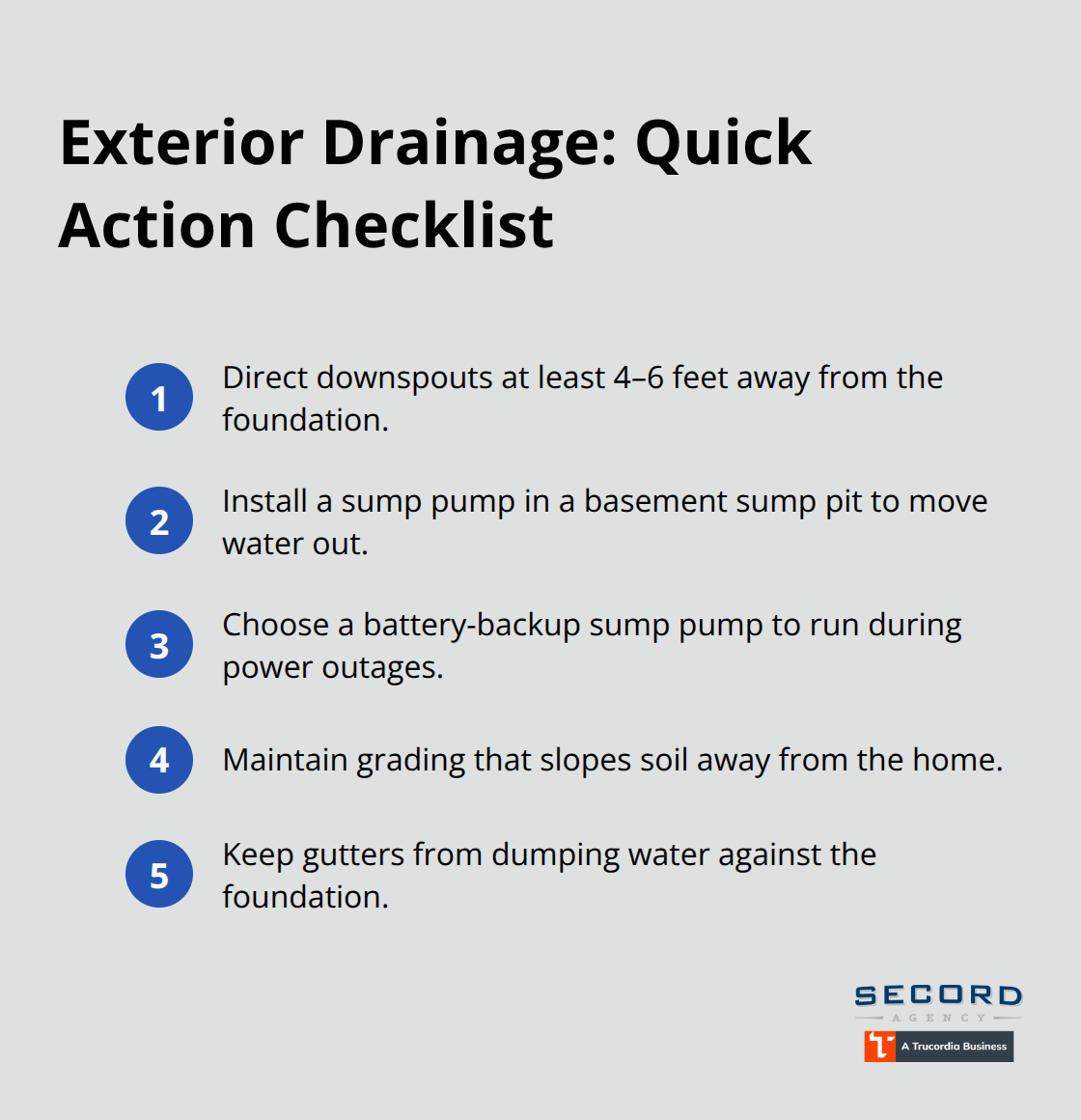
Grade sloping away from your home costs nothing if you do it yourself with soil rearrangement, but professional grading runs $500 to $2,000 depending on lot size and soil conditions. This single improvement prevents water from pooling against your foundation during heavy rain.
Getting Professional Assessment Before You Invest
Flood risk varies dramatically block-to-block in the Seattle area, and your actual vulnerability should drive which protections matter most. A qualified contractor can assess your specific property and recommend the improvements that deliver real protection for your situation. This targeted approach prevents wasted spending on defenses your home doesn’t actually need while identifying the gaps that pose genuine risk.
With your home’s physical defenses in place, the next step involves selecting the right insurance coverage to protect your financial investment.
Choosing the Right Flood Insurance for Your Seattle Home
Why NFIP Coverage Falls Short for Most Seattle Homeowners
The National Flood Insurance Program dominates Washington’s flood coverage market, but treating it as your only option leaves money on the table and exposes gaps in protection. The NFIP caps building coverage at $250,000 and contents at $100,000-limits that fall short for most Seattle-area properties where median home values exceed $650,000. These federal limits haven’t increased since 1994, meaning your home’s actual replacement cost far outpaces what the program will reimburse. NFIP policies also carry higher deductibles than private alternatives, typically $500 to $5,000 per claim, and exclude certain improvements like finished basements. This means basement water intrusion becomes financially devastating even with flood insurance in place.
Private Flood Insurers Offer Better Limits and Lower Costs
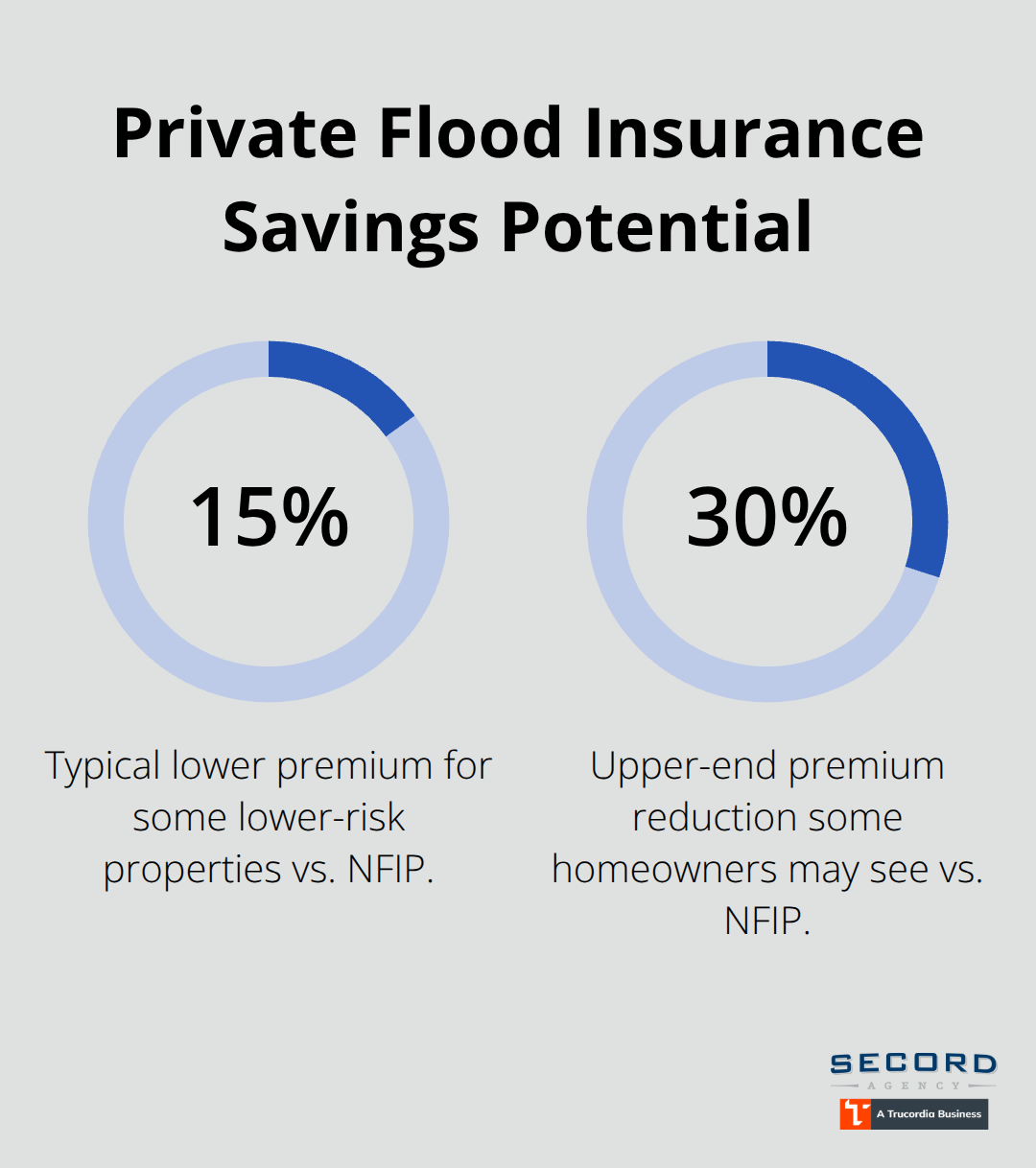
Private flood insurers have entered the Washington market specifically to address NFIP shortcomings. Carriers like AXA XL, Navigators, and Homeowners Choice actively write flood policies in King County, offering building limits up to $2 million or more, lower deductibles starting at $250, and broader coverage for basement improvements and personal property. Their rates often undercut the NFIP by 15 to 30 percent for lower-risk properties.
The tradeoff involves stricter underwriting-private insurers may decline coverage or require mitigation investments if your property sits in the highest-risk zones, whereas the NFIP accepts all applicants regardless of risk profile.
Calculate Your Actual Coverage Needs
Your coverage need depends on three concrete factors: your home’s replacement cost, the contents you own, and your property’s flood zone designation. Replacement cost means what it would genuinely cost to rebuild your home with current materials and labor, not your purchase price or assessed value. A $500,000 home typically costs $600,000 to $750,000 to fully replace due to construction inflation and code upgrades required during rebuilding. Calculate your contents value room by room-kitchen appliances, furniture, electronics, clothing-and add 10 to 15 percent for items you’ve overlooked.
How Flood Zone Designation Affects Your Options
Your property’s flood zone drives both premium cost and available options. Homes in high-risk zones mapped as AE or A pay substantially more and have fewer private insurer options, while those in moderate-to-low-risk zones (X zones) qualify for preferred rates or may not need flood coverage at all. Properties in lower-risk areas often save thousands annually by switching from NFIP to private coverage, making annual shopping worthwhile.
Shop Annually and Request Quotes Early
Shop both NFIP and private quotes annually because risk assessments change, new private carriers enter the market, and your property improvements may qualify you for better rates. Many homeowners overpay by staying with their original policy rather than comparing options each renewal period. Request quotes at least 30 days before your renewal to avoid coverage lapses and ensure your lender’s requirements are met without rushed decisions.
Final Thoughts
Protecting your Seattle-area home from flooding requires action on two fronts: making your property physically resistant to water and carrying insurance that covers what your home is actually worth. The improvements outlined earlier-elevation, waterproofing, drainage systems, and sump pumps-reduce your flood risk substantially and often lower insurance premiums. Equally important is selecting flood coverage that matches your property’s replacement cost rather than settling for whatever seems convenient.
Flood protection homeowners WA need starts with understanding your specific risk, since your property’s location, elevation, and proximity to waterways determine which defenses matter most and which insurance options make financial sense. A backwater valve costs far less than basement reconstruction, and proper drainage prevents foundation damage that compounds over years. These investments pay dividends through reduced premiums, avoided emergency repairs, and genuine peace of mind during heavy rain.
We at Secord Agency – A Trucordia Business shop multiple carriers to find coverage that actually protects your investment without overpaying for unnecessary limits. Contact us today to assess your current coverage and identify the flood protection strategy that fits your home and budget.