Updating your insurance policy as your life changes
 Wouldn’t it be wonderful if we could purchase a single insurance policy that covers us for a lifetime? While that may be wishful thinking, the reality is that as life evolves, so should your insurance policy. The great advantage of having a local independent insurance agent is that they work with multiple insurance companies, ensuring they can find the right fit for your present and future needs. When reviewing your current insurance, consider the following:
Have you recently gotten married?
Getting married brings about significant changes that should be reflected in your insurance coverage. Explore marriage discounts, multi-car discounts, combined insurance policies, jewelry endorsements, life insurance, and coverage for your new home. Ensure that your new life together is adequately insured.
Have you completed a major remodel?
Renovations, such as a new kitchen or additions like bay windows, granite countertops, or hardwood floors, not only enhance your home’s value but also necessitate adjustments to your insurance coverage. Review these changes with your agent to ensure your policy provides sufficient coverage for all your home improvements.
Are you considering purchasing a new car?
If you’re thinking about buying a new car, consult your independent agent to determine the impact it will have on your insurance premiums. Consider the potential increase in premiums when assessing the overall cost of the vehicle.
Do you have a teenage driver or one on the horizon?
Adding a teen driver to your policy can significantly impact your premiums. It’s crucial to inform your agent about any teen drivers in your household to comply with insurance company requirements. Failing to add them to the policy promptly can lead to issues, including claim denials. Discuss teen driver coverage options with your agent.
Have you acquired a new exterior building for your home?
While some insurance policies automatically provide coverage for exterior buildings (typically up to 10% of your home’s value), this may not always be the case. If you’ve installed or built a detached garage or any other structure, ensure that you have adequate coverage in the event of damage or loss.
Have you installed a burglar alarm to protect your home?
Periodically reviewing your existing discounts and exploring new ones is a wise practice. Burglar alarms, reduced mileage, multi-policy discounts, and more can help lower your premiums. Your agent can help identify available discounts. Think of them as discount detectives. During your next conversation, ask your agent to review the available discounts so you can take advantage of them.
Understanding insurance can be challenging, but with an independent insurance agent, you have the advantage of our expertise. We can review your policy with you at any time and explore options from multiple companies to find the best coverage for your evolving needs.
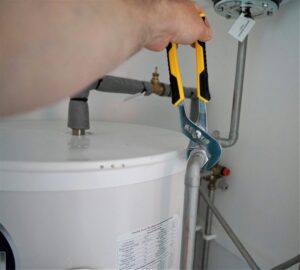 Water damage is a common issue that homeowners may face at some point. It not only leads to inconvenience and disruption but can also result in costly insurance claims. Being aware of the signs and taking preventive measures can help you avoid these expenses.
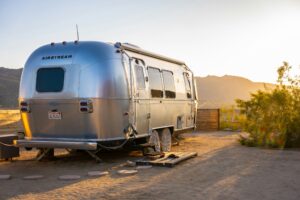 As the spring season arrives, it’s an opportune time to begin searching for a reliable used camper. Whether you’re exploring options at a dealership or considering a purchase from an individual seller on platforms like Craigslist, it’s crucial to know what to look for in terms of potential damage or wear. By paying attention to the following trouble areas, you can save yourself from costly repairs and ensure a satisfactory camper-buying experience.