What Is (and Isn’t) Covered by Pet Insurance?

Is pet insurance worth the cost? Some pet owners benefit, while others do not. Here’s what to know about the value of pet insurance.

Female vet professional and female pet owner looking at cat on exam table.

Pet owners spend a lot of money on their pets. In fact, a typical dog owner spends about $1,500 for their dog each year, and a typical cat owner spends around $900 on pet expenses annually. Medical expenses for animals can go much higher than this, of course, and it only takes one accident or illness to break the bank for some pet owners.

Pet insurance can provide some protection from these expenses. Before investing in pet insurance, know how it works so you can choose the right policy. Not all veterinary costs are covered under pet insurance. If you’re a pet owner, here’s what to consider when deciding whether pet insurance is right for you.

Pet Insurance By Type

Most insurance policies for pets can be broken down into three different categories, although policies – and what they cover – vary from one insurance company to another. Typical policies cover accidents and illnesses, with wellness care available only as an add-on if you’ve already purchased the other type of insurance.

Accident-Only Coverage

Accident-only policies reimburse pet owners for treating an injury or illness caused by an accident. Some pets have a higher risk of mishaps than others, so premiums can vary by breed type.

Accident and Illness Coverage

Accident and illness policies cover a range of illnesses and injuries, from minor ailments to major diseases (like cancer). Accident and illness coverage is known as comprehensive coverage because it covers consultation fees, examination fees, hospitalization, surgery, and more. Just as the name says – it’s comprehensive.

Wellness Coverage

Wellness coverage reimburses for routine veterinary care and sometimes covers grooming and training. Wellness coverage is only sometimes available as a standalone policy – instead, it’s usually added as a rider to another policy.

How Pet Insurance Works

Pet insurance differs from standard human health insurance because pet insurance companies rarely pay for procedures upfront. Instead, pet owners seek reimbursement, usually involving deductibles and limits. Pet insurers won’t cover pre-existing conditions and may impose waiting periods.

Is Pet Insurance Worth the Cost?

Pet insurance can be worth the cost if your pet develops a long-term chronic condition or suffers a catastrophic injury requiring expensive surgery and extensive recovery time. Not all pet owners will find pet insurance worth the cost, but some will. For some pet owners, the cost of pet insurance is worth it simply because of the peace of mind it provides.

If you’re interested in pet insurance, these tips can help you get the most out of your policy:

  • Work with an independent insurance agent who can shop around for the right insurance.
  • Know your goals and what type of coverage you’re looking for when you start shopping for a policy.
  • Control costs by decreasing limits and increasing deductibles.

Have More Questions About Pet Insurance? Talk to Your Insurance Agent

Pet insurance can pay large veterinary expenses when the unexpected happens. If you’re a new pet owner, your insurance agent can give you information about pet insurance, answering your questions to help you decide if this type of insurance is right for you. Call today.

Home Protection While On Vacation: 7 Tips That Make a Difference

Before leaving on vacation, ensure your house is safe. These 7 tips can help protect your home from intruders and more.

Man sitting on beach watching four security camera views on his laptop.

Vacation should be a time of relaxation, enjoyment, and happiness, but that all gets harder if you’re worried about what’s happening at home. Many things can go wrong on your property on any given day, and if you’re away from home when it happens, the problem could worsen before you return.

Burst pipes, burglaries, leaking water heaters, house fires – all of these problems can happen while you’re gone. Taking steps to protect your house while you’re away can prevent problems and give you peace of mind while you’re having an adventure away from home. Here’s what you can do to protect your home.

1. Hold the Mail and Newspapers

Intruders may be more likely to let themselves into your house or on your property if they can tell you’re away from home. To help prevent break-ins, make your house look occupied while you’re away.

Allowing mail and newspapers to build up on your front porch signals to intruders that you haven’t been home in a while. Put a hold on any subscriptions (including newspapers and magazines) at least one week before you leave for vacation, and ask the post office to hold your mail while you’re gone. If you cannot put a hold on your subscriptions and mail before you leave, ask a friend or neighbor to collect your subscriptions and mail while you’re away.

2. Keep Up with Landscaping

Grass and other landscaping can grow unchecked while you’re away, and that, too, can tip off intruders that you haven’t been home in a while. Ask a trusted landscaping company to cut your grass and take care of any landscaping while you’re out of town.

3. Find Someone to Watch Your Property

Is there anyone who lives near your home who you trust to watch your property while you’re away? Ask them to check in on your house every couple of days to ensure it is safe. This way, if someone breaks into your home or a pipe bursts or a hot water heater leaks, they’ll catch the problem early on.

4. Put on the Pool Cover

Hopefully, no one will wander onto your property to use your pool while you’re gone; however, putting the pool cover on may make it less of a temptation. If you have a child safety pool cover, even better, as this will prevent any children or pets from wandering onto your property and falling in.

5. Use Smart Devices

Use smart devices to protect your home from intruders while you’re away. Some examples of smart products include:

  • Smart outlets. Use smart outlets to turn on lamps automatically at night, making your house appear occupied.
  • Video doorbell. Use the video doorbell to see who comes to your door – and who lets themselves into your house while you’re gone.
  • Security camera system. Use security cameras to monitor your property inside and out.

6. Avoid Telling People on Social Media

People love to tell their social media friends and followers about their travel, and almost no one thinks about the risk they’re taking. Posting your travel plans or photos on social media is like sending out an invitation for someone to rob your home.

Unless you trust every single social media follower and you’re confident your account privacy is set up properly, posting your vacation status can put your home at risk.

7. Update Your Homeowners Insurance

Is your homeowner’s insurance policy up to date? Call your insurance agent before leaving on vacation to ensure your policy will protect you from covered events while you’re gone.

Wildfires, home insurance & staying safe during poor air quality days

Wildfire & home insurance With an increase in wildfires over the last few years, some insurance carriers around the country have needed to make adjustments to home insurance policies.

Here are two common scenarios we are seeing:

  • Depending on the state you live in, there is limited or no home insurance coverage for homes located in high-risk areas.
  • An increase in home insurance costs across the board for all home insurance policy holders throughout the United States.

When insurance carriers see a spike in insurance claims, they will raise their premiums regardless if you live in a high-risk area or not.

This is a big reason why you may have noticed an increase in your home insurance premium at renewal. Unfortunately, this is out of our control since only insurance carriers can determine the rate of home insurance.

For homes that are located in high-risk areas, we understand your frustration with insurance coverage. Some states are offering special insurance coverage for homes located in high-risk areas.

Contact our agency if you fall into this category and we will see what coverage is offered in your area. Our agency represents several top insurance carriers. With a quick phone call, we can shop all our home insurance carriers at once to see if we can find you the right coverage for your needs.

Wildfires occur in every state throughout the United States and it is important to know what to do if one breaks out near your home.

Steps to Take if a Wildfire Threatens Your Home:
1.) Stay up-to-date on evacuation info & remain calm. Stay inside and turn on a portable air filter inside your home. HEPA-filtered air cleaners are best.

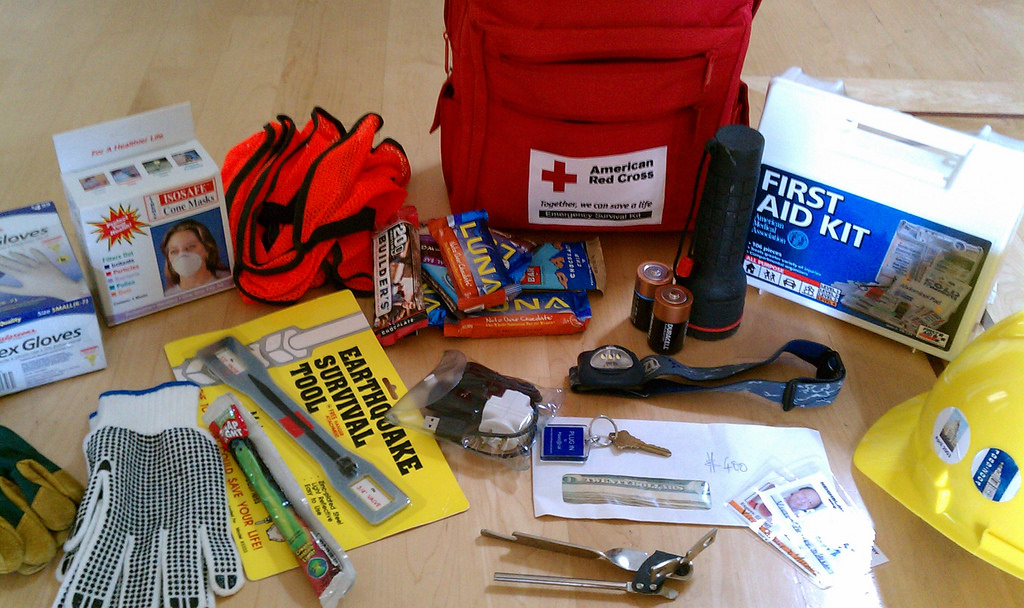
2.) Pack your car with emergency supplies in the event you need to leave – include emergency supplies & valuables from your home.

3.) Put on protective clothing to protect your body, face and lungs. Be sure to have a respirator or good mask to reduce your smoke exposure when outside. N95 masks or P100 respirators are ideal. Make sure it is snug to your face. It should have two straps to go around your head to ensure it is tight.

4.) Keep your loved ones updated on where you are going if you decide to evacuate.

Steps to Take if You Are in a Low Risk Area, But Air Quality is Poor

1.) You can check the air quality in your area by checking AirNow.Gov. This will give you a good indication if it is safe to be outside.

2.) If air quality is poor, stay inside. If you absolutely have to be outside, wear a N95 mask or P100 respirator. Limit your time outdoors, even with your mask on.

Please enjoy your summer responsibly. If you have questions about your home insurance coverage when it comes to wildfires give us a call. We’re here to help.