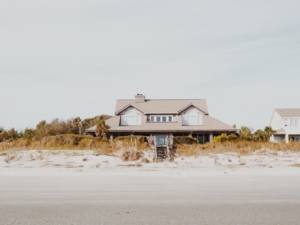
How to Update your Home — Without Spending Thousands

line of paint cans
It doesn’t take a massive remodel, or a big budget, to make your house feel a little more like home to you. Inside or out, small improvements can make a significant difference — and whether you’re handy or not, you can handle most of them yourself.
Don’t believe it? Just check out our list of ideas below, from various home-improvement sites and authorities such as “This Old House.” And some of them won’t even cost you a thing aside from time and effort.
Inside
  • Paint something, anything: Whether you want a new color, or just a fresh coat, new paint can work wonders inside your home — and don’t think you have to limit yourself to the walls! You can paint your kitchen’s backsplash for a new look, or even old vinyl flooring to make it look like stone tile.
  • Dress up your old furniture: That couch has seen better days, but instead of taking it to the dump, give it new life with a slipcover — or have the whole thing reupholstered. You’ll be surprised at the difference it makes.
  • Change up your rugs: Area rugs are a great way to add color throughout your home. Replace old ones with new colors and patterns, or put a few down in new places. You could even buy extras in different styles and swap them out regularly for a fresh look.
  • Light things up: Installing LED lighting strips under your cabinets isn’t expensive, and they provide more than light — they can give your kitchen a polished, upscale feel. Another option: Replace lamps (or even just lamp shades) or overhead lighting to change the look of a room dramatically.
  • Switch out those switch covers: Have basic or cheap-looking covers surrounding light switches and power outlets? This is one of the easiest updates you can make — new covers will give you a real bang for your buck in terms of visual impact.
  • Don’t spend a thing: For a truly different feel, rearrange the furniture in a room; it’s free and effective. And if you’ve got clutter around the house (and who doesn’t?), simply putting things away can make a big difference.
Outside
  • More paint, please: No, you don’t have to paint your entire exterior to have an impact. You can touch up trim, paint or stain fences and decks, and for maximum impact, repaint your doors! A bright new look for your front door can really make things pop.
  • Add plants: No room for a garden? Don’t want to dig up the yard? No problem! Adding container plants on your porch or deck is a great way to enhance your home’s appearance. They don’t cost much and can be swapped out easily, too.
  • Go by the numbers: When’s the last time you looked at your house numbers? If they’re worn or dated, this is an easy and inexpensive fix.
  • Knock knock: A fancy (or even not-so-fancy) door-knocker can really dress up your front door. An updated doorbell can be a nice touch, too.
Tackling just one or two of these easy updates likely will leave you wondering why you waited so long! And most of them can be done for well under $100 — but we won’t tell your guests if you don’t.

Reposted with permission from the original author, Safeco Insurance®.

Top image by Flickr user Phil Roeder used under Creative Commons Attribution-Sharealike 2.0 license. Image cropped and modified from original.

7 Facts About Teachers That Might Surprise You

teacher standing in front of a classroom

“What really makes a teacher is love … for it is love that transforms the social duty of the educator into the higher consciousness of a mission.”
Almost everyone has a story about a teacher who inspired them—the one who made learning fun, ignited a passion for a specific topic, or even pushed students hard to soar beyond expectations.
Those are the teachers we remember; their legacies live on in the professional and personal achievements of those who passed through their classrooms. And they can still inspire, long after the last class.
In honor of Teacher Appreciation Week, we thought it would be fun to share a few interesting things we’ve learned about teachers and their dedication—because as any good teacher will tell you, learning is a lifelong journey.
  1. There are more than 3 million teachers in the U.S. Public schools have a total of about 3.2 million full-time equivalent teachers, according to federal statistics. Sounds like a lot, until you consider that there are approximately 51 million K-12 students to teach
  2. The vast majority of teachers are women. The fact that many teachers are women probably isn’t a surprise, but the percentage might be larger than you think: It’s nearly 77%. And more than 54% of principals are women, too.
  3. They probably work more than you realize—and not only in the classroom. We’re all envious of the summer vacations most teachers get, but according to surveys, teachers work an average of 50 hours a week. And they might not have a summer vacation at all: About 30% of them have second jobs.
  4. When they’re not teaching, many teachers are taking classes of their own. Nearly 60% of teachers have a postgraduate degree—in order to advance their careers, additional education usually is required. And unlike training in the corporate world, this is done on the teachers’ own time (and often on their own dime).
  5. They spend their own money in the classroom. When teachers don’t have enough supplies, or they want to provide their students with more, almost all of them (94%) dig into their own pockets. The average cost for teacher-funded supplies? About $500 annually. That’s not pocket change, especially when you consider that teacher salaries average about $55,000 nationally.
  6. Frequently, that support goes way beyond school supplies. More than 65% of teachers in one survey said they had paid for food or covered the cost of field trips for students in need. And 33% have purchased coats, gloves, or other winter clothing for kids in their classes. Clearly, they’re dedicated to more than just education—they want to ensure the well-being of their students.
  7. The best gift isn’t a red apple. Despite the classic image of an apple on the desk at the front of the room, teachers say there are better ways to show your appreciation. Try a gift card for a coffee shop, or to an office-supply store to help with their classroom expenses. If you’re one of the 88% of people who say a teacher has had a significant positive impact on your life, though, the most meaningful thing of all might simply be a heartfelt note saying, “Thank you for doing what you do.”

Reposted with permission from the original author, Safeco Insurance®.

Top image by Unsplash user NeONBRAND used under Creative Commons Attribution-Sharealike 2.0 license. Image cropped and modified from original.

Everything You Should Know About Motorcycle Insurance

Motorcycle Insurance Seattle, WASpring is here, which means motorcycle season has arrived. Whether you enjoy going on long road trips or simply just like taking your motorcycle for a ride around your town, it’s important you have the right insurance coverage in the event you have to file a claim.

What You Should Know About Your Insurance & How Your Rate Can Be Calculated

Where You Live Matters

If you can ride your motorcycle year round, there is a chance you may pay more than an individual who can only ride during warmer months. Why? With your shortened window for riding, individuals who have a “motorcycle season” lower their risk for an accident.

Your Experience & Age Matter

This shouldn’t be too shocking to read. If you are an experienced motorcycle rider, you may have a lower rate vs. someone who just bought their first motorcycle. Your age factors in with your experience. Like car insurance, young drivers usually pay higher rates. However, if you are 50 years old and have no experience, you may pay more for insurance compared to a 30 year old who has 10 years of experience.

Your Riding History Matters

Just like car insurance, your riding history matters. Accidents, claims and tickets all play a role in your motorcycle insurance rate.

What Type of Bike You Own Matters

High performance bikes may be more to insure. If your bike has a big engine, that too can cost more to insure.

What Type of Motorcycle Insurance Coverage Should I Have?

Talk to one of our licensed agents about this. We can explain all coverage options. Some of these coverages are mandatory, but others are optional.  Here are a few to consider below.

Comprehensive insurance – covers you in the event your bike is damaged due to vandalism, falling trees/debris, storms, hitting an animal, theft, windshield damage, etc.

Liability – this covers you if you are responsible for causing damage or injuring someone else.

Collision – covers your motorcycle if you collide with a vehicle or object regardless if you are at fault or not.

Uninsured/underinsured motorist property damage – if your bike is damaged by someone who isn’t carrying insurance or is underinsured. This coverage provides coverage up to your policy limits. Bonus – it can cover your injuries too.

Have custom parts for your bike? Get it covered. Some carriers automatically include some coverage in a policy, but not all.  Talk to your agent about this.

How Can I Save Money On My Motorcycle Insurance Coverage?

  • Establish good credit
  • Bundle your insurance policy with other policies such as your car or home insurance
  • If you’re a member of the Harley-Davidson Owners Group (applies in 42 states)
  • Some insurance carriers give a discount for having a motorcycle endorsement
  • Take a motorcycle safety course (this is great for all riders! Experienced or beginner)

Almost every state in the United States requires some form of motorcycle insurance. Contact our office for a motorcycle insurance quote! We will help you determine what coverage options fit your lifestyle the best.