Fire Safety and Other Potential Holiday Hazards
Winter greens and flickering lights are hallmarks of the holiday season; however, they also present fire risks that can turn a festive time into a devastating one. Read on to learn how to keep your family safe.
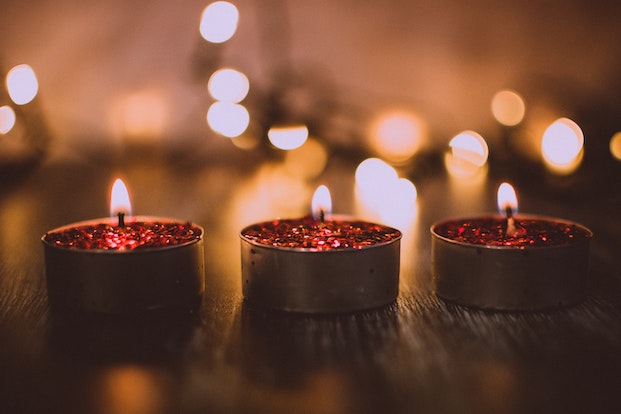
When the temperatures dip and cheerful strings of lights start appearing on porches, the holidays have arrived. While this is a time of celebration and gathering with friends and family, it’s also an important time to check over necessary safety precautions – doubly so, if you plan on hosting guests during this special time of year. While you’re decking the halls and toasting with hot cocoa, why not give yourself the gift of reassurance, too?
Keep Your Live Christmas Tree Safe
The smell of a live Christmas tree in the home is a time-honored tradition; however, while beautiful, live trees pose additional fire hazards around the holidays.
According to NFPA (National Fire Protection Association), between 2014-2018, U.S. fire departments responded to an average of 160 home fires that started with Christmas trees per year. These fires caused an average of two deaths, 14 injuries, and $10 million in direct property damage annually.
Christmas Tree Safety Tips
- Always choose a tree with fresh, green needles that do not fall off when touched
- Before placing the tree in the stand, cut 2” from the base of the trunk
- Make sure the tree is at least three feet away from any heat sources
- Make sure the tree is not blocking an exit
- Add water to your tree stand daily
Upgrade Your Christmas Lights
Incandescent “old” style Christmas lights can look warm and cheerful, but the older they are, the more likely the wires aren’t in great shape. While some heirloom ornaments are a must for traditional tree-trimming, consider swapping out old strings of lights for LED-style lighting, which doesn’t put off heat or demand the same power levels incandescent bulbs do.
Better yet, opt for a pre-lit LED tree, which makes decorating easy with no knots of wires to untangle.
Deck the Hearth with Battery Operated Candles
Some centerpieces and Instagram-ready holiday tableaus just wouldn’t be the same without candles – but that doesn’t necessarily mean you need to break out a lighter. Battery-operated tealights and pillar candles provide a safe, easy alternative to beautiful illumination, and are safe to use around kids and pets, as well as in botanical centerpieces.
If you plan on using candles often, consider rechargeable versions, which offer virtually unlimited candle-like light without the hassle of changing batteries, or the danger of open flames.
Simmer for Dinner: Keep a Timer Handy
It happens to even the most experienced holiday hosts – you start a side dish in a pot or pan, get distracted while chatting with dinner guests, and suddenly the smoke alarm is drowning out that ambient Christmas carol music station.
Set a timer on your smartphone, via your smart speaker, or use an old-fashioned bell timer to make sure you don’t need to order last-minute pizza to save the day – or your kitchen. Even the best cooks can forget a pan or two when things get hectic.
Plan and Decorate Responsibly Outdoors
Friendly rivalries abound when it comes to out-doing neighbors with holiday decorations, but don’t let competition outweigh good sense. Trees and bushes are drier and more prone to being flammable on cold winter days, so avoid placing old-fashioned incandescent lights on top of dead brush and leaves whenever possible.
Place lights on a timer to avoid overtaxing your electricity usage, and always ensure that any extension cords or “splitters” are rated for outdoor use and covered to avoid potentially dangerous sparks.
Check Over Your Home’s Fire Safety Equipment
If you have a fire extinguisher in your house, such as in a kitchen cabinet, make a habit of checking it at the end of the year. If it needs replacement or recharging, be sure to do so before your home fills with guests; this will keep your loved ones safe in the event of an emergency.
While many homeowners use daylight savings time to check their smoke detector batteries, the holidays are a good time to check those as well. Better yet, upgrade to a combination smoke detector / carbon monoxide detector for even more peace of mind.
Practicing good fire safety and enjoying the holidays without worrying doesn’t have to be mutually exclusive traditions. No matter which holidays you celebrate this winter, the welcome warmth of your home and the safety of your friends and family is a gift that truly keeps on giving.
 If you’re a homeowner who lives in a colder climate, then you understand the importance of preparing for the winter. There are so many factors that can occur when the colder weather sets in and it’s important that you’re ready for various scenarios. Let’s go over some of the things that you can do to protect your home.
 A Call for Facts of Loss