Rodent Damage & Preventative Steps to Take This Winter

Rodent Damage & Preventative Steps to Take This Winter in Seattle, WashingtonAs the temperature continues to drop this time of year, humans aren’t the only ones seeking warmer areas to rest. Mice, rats, and other rodents move indoors this time of year to nest as well as look for more food sources that may be stored. It is your responsibility to protect your house from rodent damage as damages caused by rodents or other animals is not covered by an insurance policy.

What types of damage can rodents cause?

Rodents that nest in crawl spaces under a home can wreak havoc on your insulation as well as any items that you may store in there. They will make bedding out of anything soft including pulling down your insulation, shredding up paper, cardboard, and fabric so if you store things in your crawl space, be sure they’re in a sealed plastic bin so the rodent can’t chew or scratch its way through.

Urine & Droppings: Mice and rats can make a smelly mess. The adage that says don’t go to the bathroom where you sleep isn’t true for mice and rats. They don’t seem to mind and if your home has a rodent problem, you’ll see (and often smell) droppings on everything.

How did a rodent get into my house?

Rodents are crafty and will burrow under a home and enter through a dirt floor (like in a crawl space) or they can squeeze through cracks in a foundation, a broken window, or gaps around the home such as exterior boards. Once inside, they can squeeze up into your walls and make their way all the way around your home. Rats often make their way up into attics. If you have a rat in your attic, you’ll likely hear it scurry around.

Preventative Steps to Protect Your Home from Rodent Damage

To protect your home, do a visual inspection for any obvious places a rodent could squeeze in. If your home has a crawlspace, look for vents around the foundation and inspect those as oftentimes, the screens that keep things out become damaged and allow for room to get in.

Never store food in your garage or crawl space. Food will attract rodents. If you do store food, make sure it is in air-tight containers.

How do you get rid of rodents in a house?

Unfortunately, the only way to get a rodent out of a home is to trap it. There are a variety of traps available but beware of using any that contain poison if you have children or animals in your own home. Additionally, poison traps can leave a dead animal in an area you can’t reach, leading to a stinky problem for quite some time. Consider calling a professional or even using humane traps to remove the rodents.

Before you trap, be sure you’ve remedied the entry point. Because the problem will quickly return if you haven’t solved the entry point issue.

Will my insurance pay to repair rodent damage?

No, rodent damage is not typically covered by a home insurance policy because this type of damage occurred over an extended period of time. Rodents can take months or years to create noticeable damage, but by then it is too late and the damages you couldn’t see are extensive. Your best option is to call several crawl space cleanout or insulation companies. They can give you a quote to fix the damage as well as seal up your crawl space to avoid future issues.

Take care of your home and your home will take care of you. If you’re needing a quote on a great insurance policy to help protect it, give us a call. We represent the top-rated insurance companies and can give you multiple options for coverage as well as pricing.


Driving this Thanksgiving: Safety Tips That Save Lives

Safe driving saves lives. If you’re traveling this holiday season, follow these tips to protect yourself and others on the road with you.

Car with cooked turkey strapped to roof.


Traveling during the holidays brings us closer to family and loved ones, but sometimes, traveling also puts us in harm’s way. According to the National Safety Council, 406 people died in traffic accidents during the Thanksgiving weekend in 2019. This number is not atypical for the holiday season: NSC consistently estimates that between 400 and 500 people will die over the 4-day period we celebrate Thanksgiving.

Take steps to protect yourself and your loved ones. The following tips can help you avoid accidents that can lead to injuries and even fatalities.

Wear a Seat Belt

Seat belts save lives. According to the United States Department of Transportation, seat belts saved nearly 15,000 people who survived car accidents in 2017. Whether you’re going to see a relative in your town or traveling hundreds of miles from home, wear a seat belt. Be sure the other people in your vehicle buckle up as well.

Pay Attention to the Weather

Thanksgiving weather can vary, from snowy to icy to beautiful and sunny. Pay attention to the weather at your point of departure, your destination, and the route in between. Watch for low temperatures, chances of precipitation, and more.

Know Your Route

How will you be arriving at your destination? If you’re using a GPS device or GPS on your smartphone, plug in the route before you start driving.

Avoid Drowsy Driving

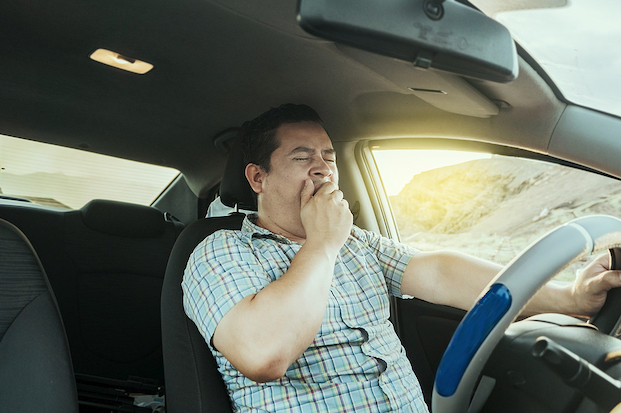
Drowsy driving caused over 600 traffic deaths in 2020. Driving drowsy can reduce your reaction time and cause you to fall asleep behind the wheel. To avoid drowsy driving:

  • Drive with a partner and take turns driving
  • Get out to walk around periodically
  • Avoid driving at times when you would usually be sleeping
  • Drink coffee or another caffeinated beverage
  • If you’re feeling tired, roll down your window to increase your alertness
  • Listen to music or talk to people in the car with you to increase your alertness
  • Divide long journeys into segments and know when to stop for the night

Put Children in Appropriate Seat Restraints

Children are required to ride in seat restraints. The youngest children must ride in rear-facing car seats until they graduate to front-facing car seats and, finally, booster seats. Pay attention to the weight requirements for each type of car seat, and know the seat restraint laws in your state.

Watch Your Speed

Of course, you should follow the posted speed limits along your route, but sometimes driving the speed limit is too fast for your journey. The speed limit may be dangerously fast if the road is icy, wet, snowy, or in poor condition. Use common sense when selecting your speed. Don’t prioritize a quick journey over the safety of you and your passengers.

Don’t Drive Distracted

Over 3,000 people die in distracted driving-related accidents every year. Pull over if you must take a call, send, or read a text message while driving. If someone is in the car, let them take the call, change the radio station, read the text message aloud, and adjust your GPS device. Never read or send a text message while driving.

Drive Sober

In 2019, nearly 1/3 of traffic fatalities involved alcohol. Alcohol-related traffic deaths are entirely preventable.
It’s common for people to have a drink or two when at a relative’s house for a holiday celebration. Before arriving at your destination, designate a sober driver – or plan to stay the night.

Update Your Auto Insurance Policy

Take steps to protect yourself this holiday season. Call your insurance agent to check (and update) your auto insurance policy.

5 Carbon Monoxide Safety Tips

Danger Carbon Monoxide sign

Every year, unintentional carbon monoxide (CO) poisoning (not linked to fires) sends 20,000 people to the emergency room and causes more than 4,000 hospitalizations. And, you might consider them the fortunate ones. CO also is responsible for more than 400 deaths in America each year, according to the U.S. Centers for Disease Control and Prevention.

The truly frightening thing? Most of those victims likely had no idea they were in danger.

CO often is called “the invisible killer” because it’s odorless and colorless, and, when it builds up in an enclosed space, it’s deadly. Everyone is at risk, too, because CO is produced by a number of things we use every day, such as cars and trucks, stoves, grills, gas ranges, furnaces, and more.

So, how do you protect yourself? Especially in winter, when it’s cold outside and you’re using heat sources inside your home?

Here are some basic actions you can take to help limit your exposure:

  1. Install — and test — CO detectors
    Most states (37 in all) now have some sort of requirement regarding the installation of carbon monoxide detectors in private homes. These should be placed outside of each sleeping area and on every level of the home. Because you won’t smell or otherwise notice CO building up, having detectors that will sound an alarm is crucial. Don’t forget to test them once a month.
  2. Don’t create additional risk in your home
    You should never use devices that generate large amounts of CO inside your home. Never operate a gas or charcoal grill inside (even in a garage), and make sure generators are used in a well-ventilated outside location away from windows, doors, and vents. Make sure to have your furnace and chimney checked annually, too.
  3. Be careful in your car
    Carbon monoxide can build up quickly when a vehicle is running, so, if you need to warm up your car, move it out of the garage after you start it.
  4. Watch out for snow — at home and on your vehicle
    Snow and ice can block vents for your dryer, furnace, stove, and fireplace. They also can obstruct the exhaust of your car. Either can be very dangerous. In fact, according to news reports, several people died in the recent East Coast snowstorm when CO backed up into their cars because the exhaust pipe was blocked.
  5. Know the symptoms of CO poisoning
    People can be harmed by a small amount of carbon monoxide over a long period, or a large amount over a short period. Because you might not be able to identify when you’re in a dangerous situation, it pays to know what symptoms to look for:

    • Low to moderate CO poisoning: headache, fatigue, shortness of breath, nausea, dizziness.
    • High-level CO poisoning: mental confusion, vomiting, loss of coordination, loss of consciousness.

    If you suspect CO poisoning, move the person (and yourself) outside immediately and call 911.

Remember, the important thing to know about carbon monoxide is this: Without CO detectors (and other common-sense measures), you won’t know when you’re at risk. So, take steps to protect yourself and your family today.

Reposted with permission from the original author, Safeco Insurance®.

Top image by Flickr user SmartSign used under Creative Commons Attribution 2.0 Generic license. Image cropped and modified from original.