Stay Safe on (and off) the Road This Winter With These Items for Your Car
You keep your home stocked with supplies to use in case of emergency. (Right?)
What about your car?
During winter, extreme weather and road conditions can lead to all kinds of trouble when you’re traveling — crashes, getting stuck, getting lost. And cold temperatures make those situations even more dangerous than usual.
So keep a stockpile of emergency items in your car, just like your house. In the best-case scenarios, you’ll never have to use them, or they’ll just help keep you comfortable for an hour or so while you wait for a tow truck. But if you’re ever caught in a truly sticky situation, you might need them to do something more — like keep you alive.
The folks at Wisconsin’s Emergency Management agency are quite familiar with the perils of winter travel, as you can imagine. So don’t just take our word for it — here are some of the things they recommend you keep in your car to help keep you safe should you run into trouble on the roads in the snow and ice.
- A shovel, tire chains, tow rope and sand or cat litter: All of these can help you get your car unstuck.
- A windshield scraper: Preferably one with a brush attached.
- Blankets, sleeping bags and extra clothing: Staying warm is crucial while you wait for help — especially if you don’t know how long you’ll be waiting.
- Bottled water and snack food, such as energy bars, peanut butter and raisins: If it could be hours before you get moving again, you’ll need to stay hydrated and nourished.
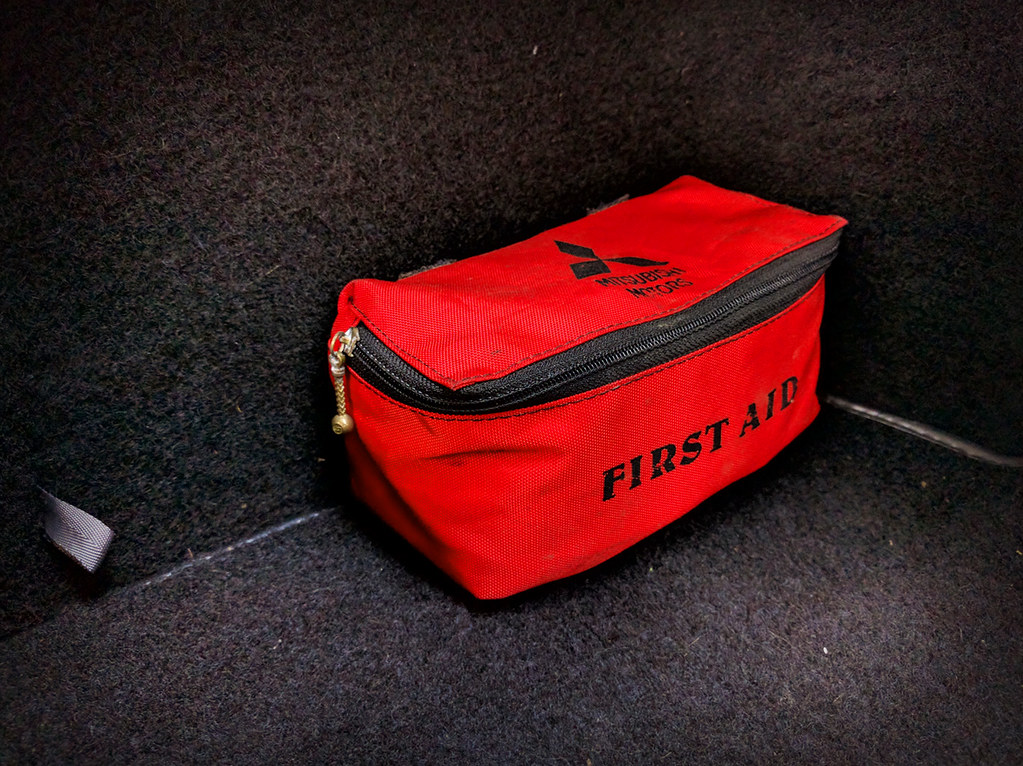
- A first-aid kit: Keep one in your car no matter what time of year.
- A battery-powered radio: So you can get weather updates, information on emergency response efforts, etc. – and conserve your car’s battery.
- Emergency flares, reflectors and a battery-powered flashlight: All of these will help you attract attention — and help other vehicles avoid you.
- Matches and candles: Even a small heat source can be an effective one.
Your kit doesn’t have to be limited to the list above, of course. Feel free to add items that suit your needs. But most important, keep the kit in your car at all times — and then keep these additional safety tips in mind:
- Keep your vehicle well maintained (and gassed up).
- Create a trip plan and share it with friends of family.
- Stay in your car if you get stuck. Walking to find help is an easy way to get lost and separate from others in your party.
- To reduce battery drain, only use your emergency flashers if you hear vehicles approaching. You can keep your dome light on to remain visible.
Remember, even the best drivers can end up in a bad situation when the weather gets bad. It doesn’t take much time or money to prepare an emergency kit — but the potential cost of not having one is enormous.
Reposted with permission from the original author, Safeco Insurance®.
Top image by Flickr user orion used under Creative Commons Attribution-Sharealike 2.0 license. Image cropped and modified from original.
 Older homes exude character. Not only do their walls tell a history, but often the character, details and warmth inside of one of these homes is unmatched in today’s quickly built society. Instead of taking months to build a single home by hand, entire neighborhoods can now be constructed in less time. If you’re considering purchasing an older home, there are many things to consider during the search as well as when you’re ready to buy.
 There are many ways these days to buying an insurance policy. Some people may feel the easiest way is to simply go online and purchase it yourself. You could even shop many carriers yourself to find the best rate for the coverage you need. However, there are many more additional benefits you could gain by going through a local insurance agency.